The Evolution of Intelligent Street Lighting Systems
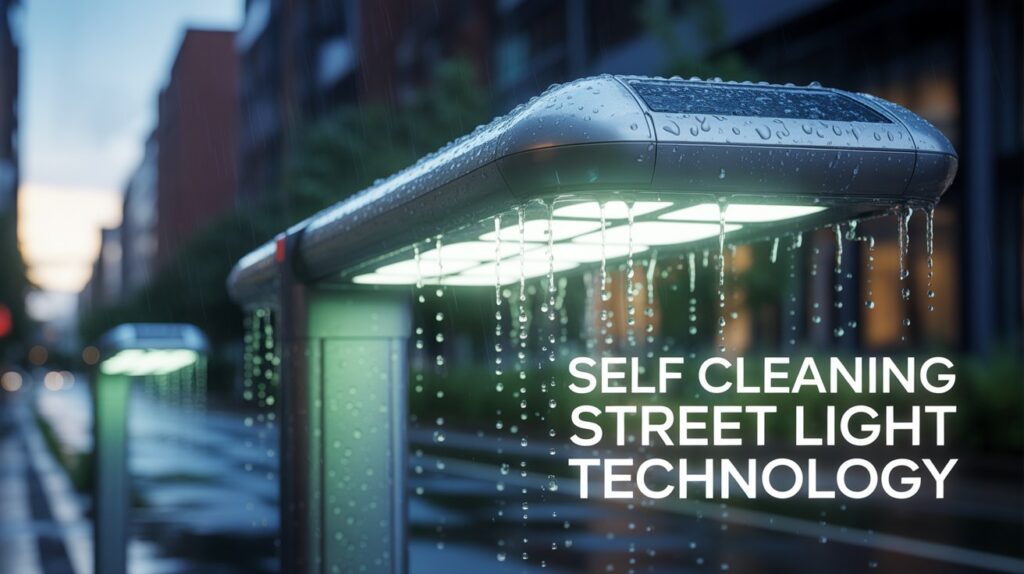
Urban infrastructure is undergoing a profound transformation, driven by the need for sustainability, automation, and operational efficiency. Street lighting, once a static utility, is now evolving into a dynamic component of smart city ecosystems. The emergence of self cleaning street light palm oil technology represents a significant leap in this transformation, combining environmental science with engineering innovation.
Traditional street lighting systems often suffer from performance degradation due to dust accumulation, pollution, and environmental exposure. These issues not only reduce lighting efficiency but also increase maintenance costs. The introduction of self cleaning street light palm oil solutions addresses these challenges by integrating self-sustaining cleaning mechanisms that reduce human intervention while maintaining optimal performance.
Conceptual Framework Behind Self Cleaning Street Light Palm Oil
The concept of self cleaning street light palm oil is rooted in the idea of autonomous maintenance. Instead of relying on periodic manual cleaning, these systems are designed to maintain their own surface integrity through advanced coatings and micro-cleaning mechanisms.
At the core of this framework is the use of palm oil derivatives, which are engineered into bio-based lubricants and protective layers. These compounds create a surface that resists dust adhesion, repels water, and minimizes the impact of environmental contaminants. As a result, the lighting unit remains cleaner for longer durations, ensuring consistent illumination output.
This approach not only enhances efficiency but also aligns with sustainable engineering practices by reducing reliance on chemical cleaners and manual labor.
The Role of Palm Oil Derivatives in Smart Infrastructure
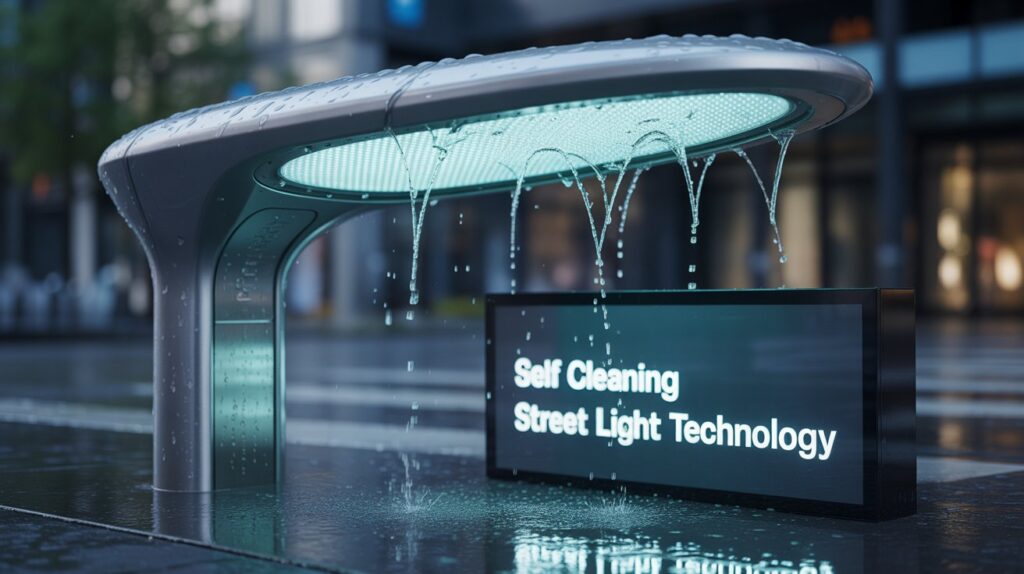
Palm oil has traditionally been associated with food production and industrial applications, but its chemical properties have opened new avenues in technological innovation. In self cleaning street light palm oil systems, palm oil derivatives play a critical role in enabling self-cleaning functionality.
These derivatives offer several advantages:
- They provide natural lubrication, reducing friction and preventing particle buildup
- Their hydrophobic properties help repel water and airborne pollutants
- They are biodegradable, making them environmentally responsible alternatives to synthetic materials
- They can be engineered to form thin, durable coatings that protect surfaces over time
The integration of these properties into street lighting systems allows for a balance between performance and sustainability, making self cleaning street light palm oil a forward-looking solution.
Structural Design and Functional Mechanisms
The engineering design of self cleaning street light palm oil systems is both sophisticated and efficient. These systems are typically built with layered components that work together to maintain cleanliness and functionality.
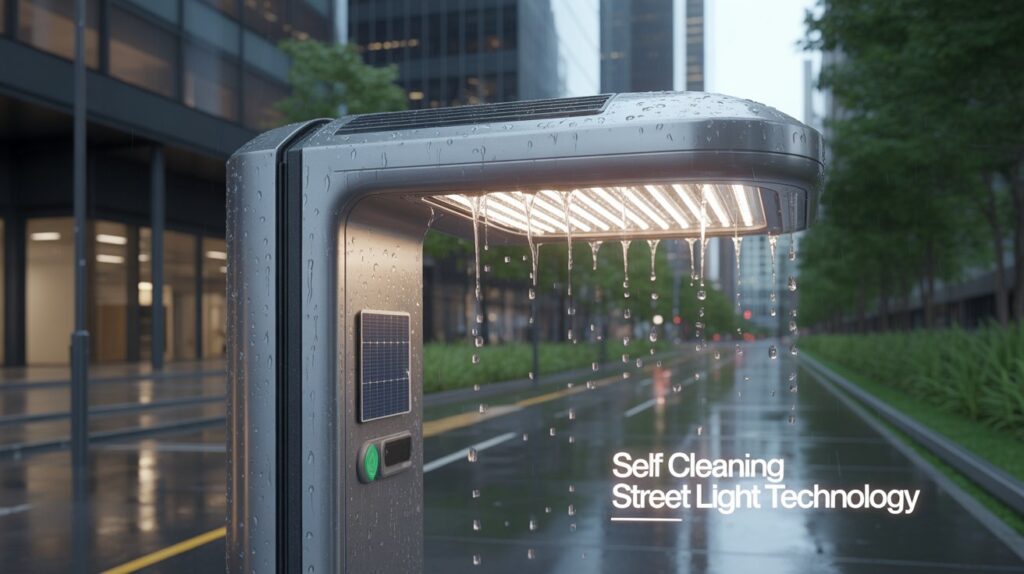
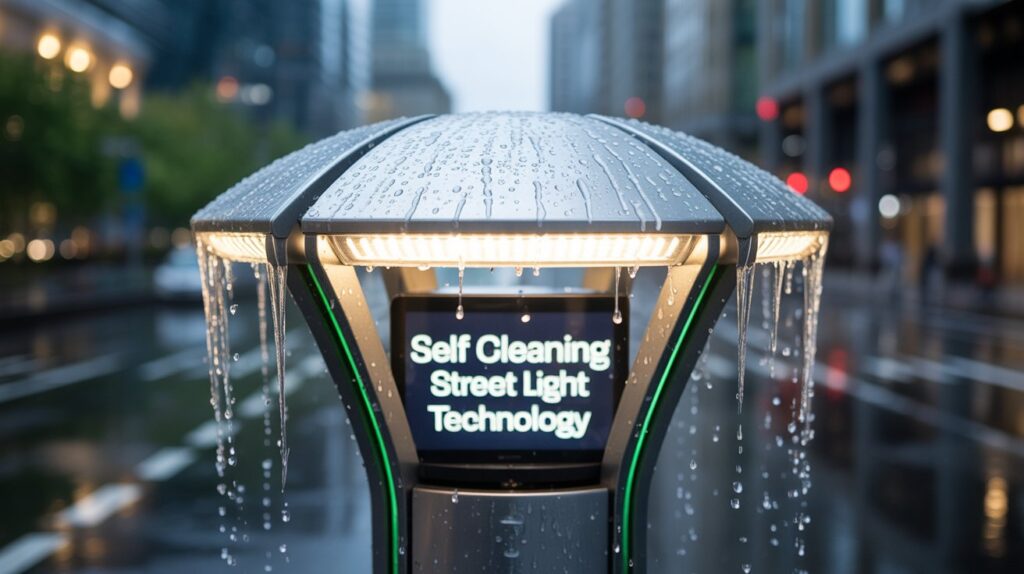
The outer surface is often treated with a palm oil-based coating that reduces adhesion of dust and grime. Beneath this layer, micro-textured surfaces enhance the self-cleaning effect by allowing particles to slide off more easily. Some advanced designs may also include passive cleaning mechanisms that utilize environmental factors such as rainwater or wind to remove debris.
Additionally, the integration of smart sensors can monitor surface conditions and performance metrics. These sensors enable predictive maintenance, ensuring that any potential issues are addressed before they impact functionality.
Environmental and Economic Implications
The adoption of self cleaning street light palm oil technology carries significant environmental and economic benefits. From an environmental perspective, the use of bio-based materials reduces reliance on synthetic chemicals, minimizing ecological impact. The reduction in maintenance frequency also lowers the carbon footprint associated with service operations.
Economically, these systems offer long-term cost savings. While the initial investment may be higher compared to traditional lighting solutions, the reduction in maintenance expenses and extended lifespan of components results in overall financial efficiency. Municipalities and urban planners can benefit from reduced operational budgets while maintaining high standards of infrastructure performance.
Integration with Smart City Ecosystems
Modern cities are increasingly adopting interconnected systems that rely on data and automation. Self cleaning street light palm oil technology fits seamlessly into this ecosystem, offering compatibility with smart grids, IoT devices, and centralized management platforms.
Through integration with smart city networks, these lighting systems can:
- Adjust brightness based on environmental conditions
- Report performance data in real time
- Enable remote diagnostics and control
- Optimize energy consumption through intelligent algorithms
This level of integration enhances the overall efficiency of urban infrastructure, making self cleaning street light palm oil systems a valuable component of future city planning.
Challenges and Technical Considerations
Despite its advantages, the implementation of self cleaning street light palm oil technology is not without challenges. Engineers and planners must address several technical considerations to ensure successful deployment.
One key challenge is the stability of palm oil-based coatings under extreme environmental conditions. Factors such as high temperatures, UV exposure, and heavy pollution can affect the longevity of these coatings. Continuous research and development are required to enhance durability and performance.
Another consideration is scalability. Deploying these systems across large urban areas requires significant investment and coordination. Standardization of components and processes is essential to ensure consistency and efficiency.
Innovation Potential and Future Developments
The future of self cleaning street light palm oil technology lies in continuous innovation. Advances in material science and nanotechnology are expected to enhance the effectiveness of bio-based coatings, making them more resilient and efficient.
Emerging developments may include:
- Nano-engineered palm oil derivatives for improved surface protection
- Hybrid cleaning systems combining passive and active mechanisms
- Enhanced sensor integration for real-time optimization
- Greater compatibility with renewable energy sources such as solar power
These innovations will further solidify the role of self cleaning street light palm oil systems in sustainable urban development.
Strategic Importance for Sustainable Urban Planning
As cities strive to become more sustainable, the importance of efficient infrastructure cannot be overstated. Self cleaning street light palm oil technology represents a strategic investment in long-term sustainability. By reducing maintenance requirements and environmental impact, these systems contribute to the creation of smarter, greener cities.
Urban planners and policymakers must consider such innovations as part of a broader strategy to improve quality of life, reduce operational costs, and enhance environmental responsibility.
Extended Insight Perspective
The emergence of self cleaning street light palm oil technology highlights a broader trend in engineering: the shift toward self-sustaining systems. This paradigm focuses on reducing human intervention while maximizing efficiency and sustainability. It reflects a deeper understanding of how technology can coexist with natural processes to create solutions that are both effective and environmentally conscious.
In this context, self cleaning street light palm oil is not just a technological innovation but a representation of a new way of thinking about infrastructure.
Disclaimer
This article is intended for informational and educational purposes only. The concepts discussed regarding self cleaning street light palm oil technology are based on emerging trends and theoretical applications. Practical implementation may vary depending on technological advancements and environmental factors.
Frequently Asked Questions
What is self cleaning street light palm oil technology
Self cleaning street light palm oil technology refers to an advanced lighting system that uses palm oil-based coatings or derivatives to prevent dust accumulation, reduce corrosion, and maintain optimal lighting performance without frequent manual cleaning.
How does self cleaning street light palm oil actually work
The system works by applying a bio-based coating derived from palm oil on the surface of the street light. This coating creates a hydrophobic and low-adhesion layer that allows dust, water, and pollutants to slide off naturally, keeping the surface clean.
Why is palm oil used in self cleaning street light systems
Palm oil is used because of its natural lubricating properties, biodegradability, and resistance to environmental degradation. These qualities make it a sustainable alternative to synthetic cleaning and protective materials.
Is self cleaning street light palm oil environmentally friendly
Yes, self cleaning street light palm oil systems are considered environmentally friendly because they reduce the need for chemical cleaners and minimize maintenance-related emissions. The use of bio-based materials also supports sustainable practices.