What Is Valplekar and Why It Matters
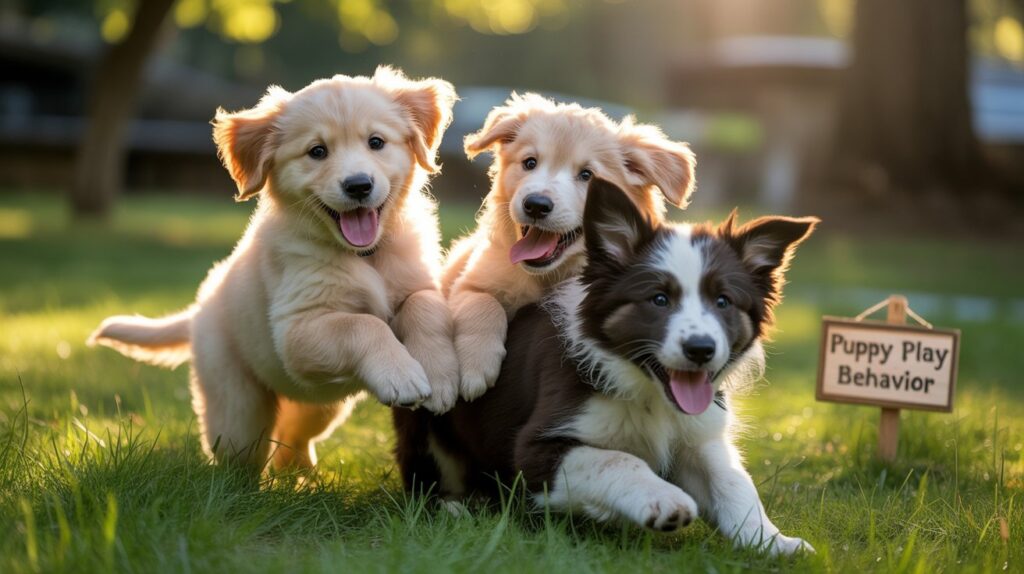
Valplekar is a Swedish term that refers to the natural play behavior of puppies. While it may sound like a simple concept, valplekar plays a critical role in a puppy’s physical development, emotional balance, and social intelligence.
From chasing and wrestling to playful biting and role-switching, valplekar is not random activity. It is a structured form of learning that helps puppies understand the world around them. For dog owners, understanding valplekar can significantly improve how they train, interact with, and raise their pets.
The Science Behind Valplekar
Valplekar is deeply rooted in animal behavior science. Puppies use play as a way to develop essential life skills without real-world consequences.
During valplekar, puppies learn:
- Bite inhibition and control
- Social boundaries with other dogs
- Body coordination and movement
- Emotional responses like excitement and restraint
This type of learning is crucial because it happens naturally and repeatedly, reinforcing behavior patterns over time.
How Valplekar Shapes Puppy Development
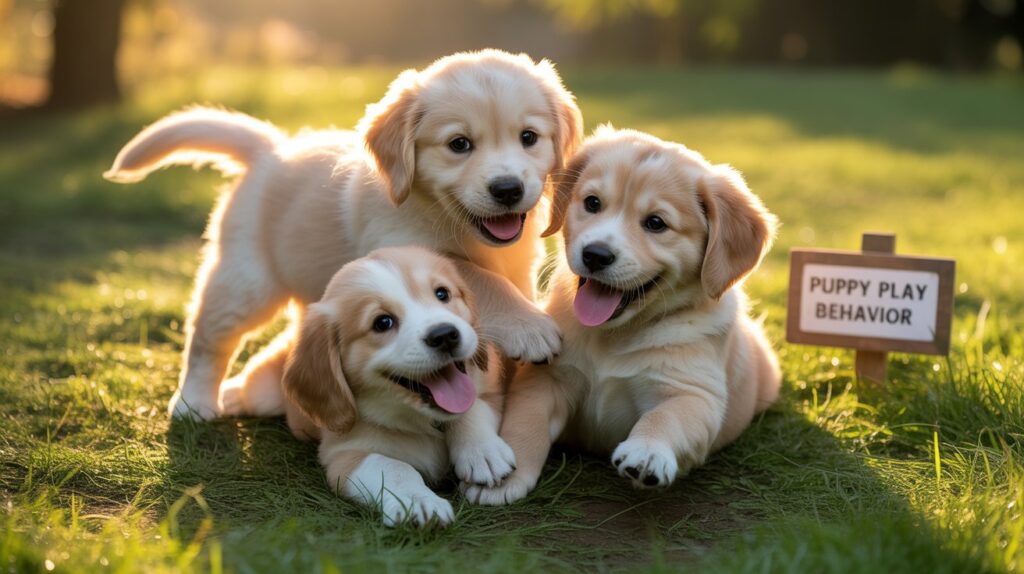
Valplekar directly influences multiple areas of growth. It is not just about fun—it is about building a strong foundation for adulthood.
Physical Development
Active play strengthens muscles, improves balance, and enhances coordination. Puppies that engage in regular valplekar tend to develop better mobility and overall health.
Social Intelligence
Through interaction with other dogs, puppies learn communication signals such as:
- When to stop playing
- How to read body language
- How to respond to dominance or submission
These skills are essential for preventing aggression later in life.
Emotional Stability
Valplekar helps puppies regulate emotions. They learn how to handle excitement, frustration, and even mild conflict in a safe environment.
Types of Valplekar Behavior
Understanding different forms of valplekar can help dog owners recognize healthy play patterns.
Chase and Run Play
This involves puppies chasing each other in a playful manner. It builds speed, agility, and coordination.
Wrestling and Rough Play
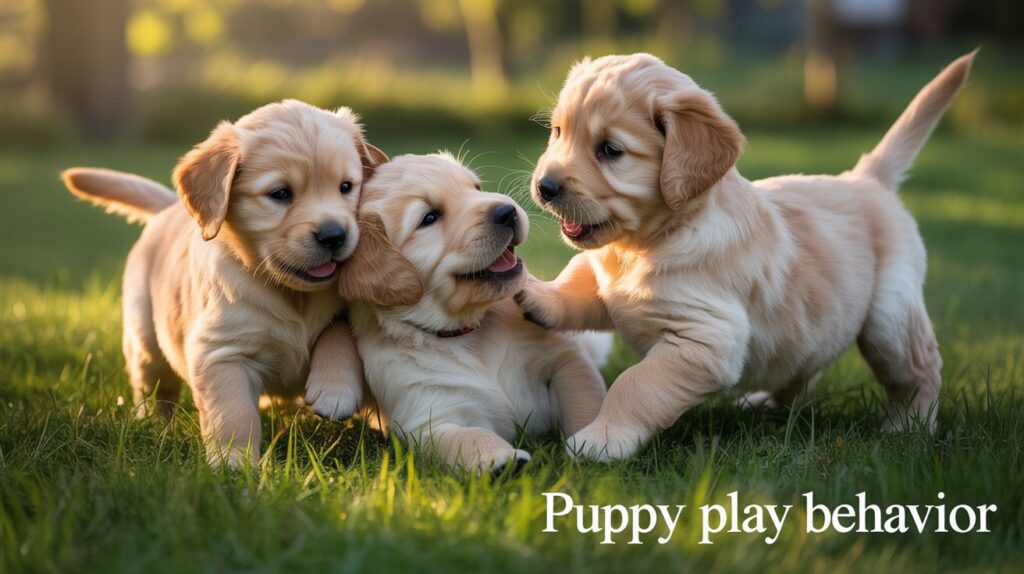
Puppies often engage in gentle wrestling. While it may look aggressive, it is usually controlled and balanced.
Play Biting
This is one of the most important aspects of valplekar. Puppies learn how hard they can bite without causing harm.
Role Switching
In healthy valplekar, puppies take turns being dominant and submissive. This teaches fairness and balance in social interactions.
Valplekar and Training Advantages
One of the biggest benefits of valplekar is its connection to training. Puppies that engage in structured play are easier to train because they already understand basic behavioral cues.
Dog owners can use valplekar to:
- Reinforce positive behavior
- Improve responsiveness to commands
- Build trust and bonding
- Reduce unwanted habits
Instead of relying only on strict training methods, integrating play creates a more natural learning environment.
Common Mistakes Dog Owners Make
Many dog owners misunderstand valplekar and accidentally disrupt its benefits.
Stopping Play Too Early
Some owners stop play when it looks rough, even if it is healthy. This can limit learning opportunities.
Not Providing Social Interaction
Puppies need interaction with other dogs to fully benefit from valplekar. Isolation can lead to poor social skills.
Encouraging Aggressive Behavior
Allowing uncontrolled or overly aggressive play can create long-term behavioral issues.
Ignoring Play Signals
Dogs communicate through body language. Ignoring signs like stress or discomfort can lead to negative experiences.
How to Support Healthy Valplekar
Supporting valplekar does not require complex strategies. It is about creating the right environment.
- Allow supervised play with other puppies
- Provide safe and open spaces
- Use toys to encourage interaction
- Monitor behavior without interfering unnecessarily
The goal is to guide, not control, the play experience.
Valplekar in Indoor vs Outdoor Environments
Both indoor and outdoor settings can support valplekar, but each has its own advantages.
Indoor play offers safety and controlled conditions, while outdoor play provides more space and natural stimulation. A balanced combination of both environments is ideal for optimal development.
Long-Term Impact of Valplekar
The effects of valplekar extend far beyond the puppy stage. Dogs that experience healthy play behavior early in life are more likely to:
- Be socially confident
- Adapt well to new environments
- Exhibit lower levels of aggression
- Respond better to training
This makes valplekar one of the most important factors in raising a well-behaved dog.
Why Valplekar Is Often Overlooked
Despite its importance, valplekar is often ignored because it appears simple. Many people focus on feeding, grooming, and basic training while underestimating the power of play.
However, play is one of the most natural and effective ways for puppies to learn. Recognizing its value can transform how dog owners approach pet care.
Practical Insight for Dog Owners
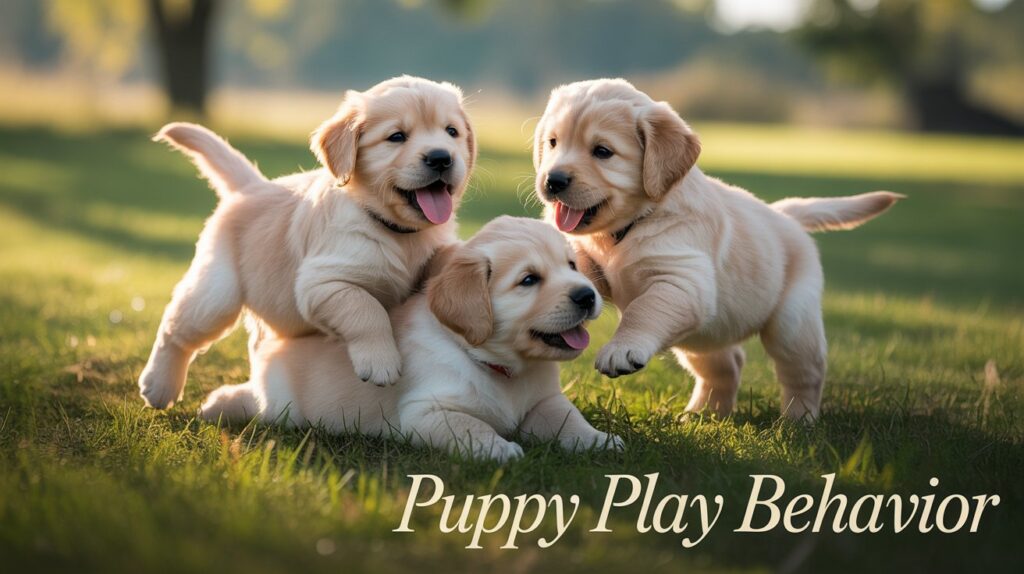
If you want to raise a healthy and balanced dog, prioritize valplekar as part of your routine. Observe your puppy’s behavior, encourage safe interaction, and allow natural play to take its course.
Small changes in how you approach play can lead to significant improvements in your dog’s behavior and development.
Additional Insight
Valplekar is more than just a Swedish term—it represents a deeper understanding of how animals grow and learn. By embracing this concept, dog owners can move beyond basic care and adopt a more holistic approach to raising their pets.
The more you understand valplekar, the better equipped you are to support your puppy’s journey into a confident and well-adjusted adult dog.
Disclaimer
This article is for informational purposes only and does not replace professional veterinary or animal behavior advice.