The Rise of the 2000s Tuscan House Trend
The early 2000s marked a distinctive era in residential architecture, particularly in the United States, where European-inspired designs gained massive popularity. Among these, the 2000s tuscan house became a defining symbol of luxury, warmth, and old-world charm blended with modern convenience. Inspired by the rustic villas of the Italian countryside, this architectural style captured the imagination of homeowners seeking elegance without sacrificing comfort.
The 2000s tuscan house was not merely a trend but a lifestyle statement. It reflected a desire for timeless beauty, rich textures, and a connection to nature. Builders and designers embraced this aesthetic, incorporating Mediterranean elements into suburban and upscale developments across the country.
Architectural Identity of a 2000s Tuscan House
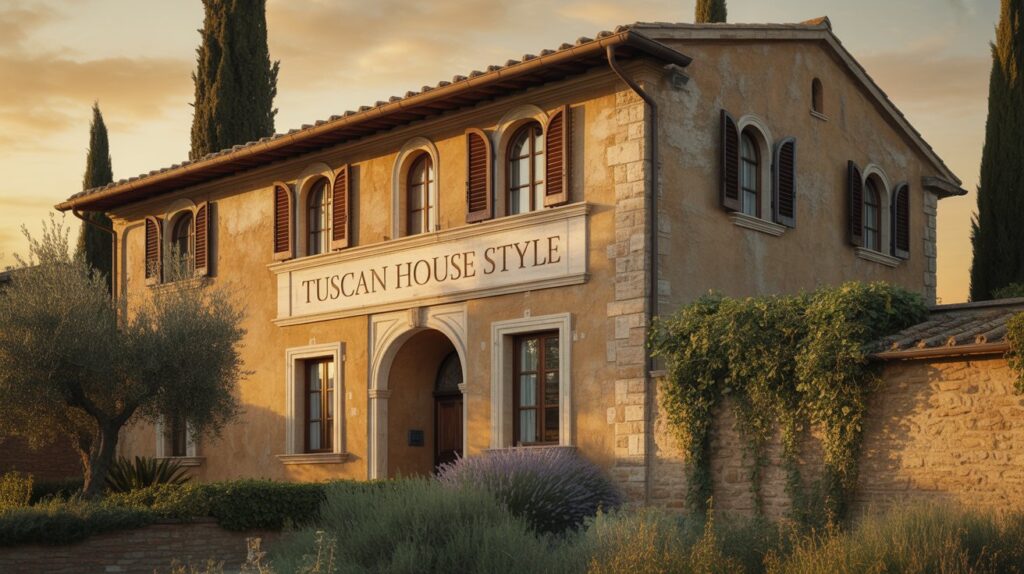
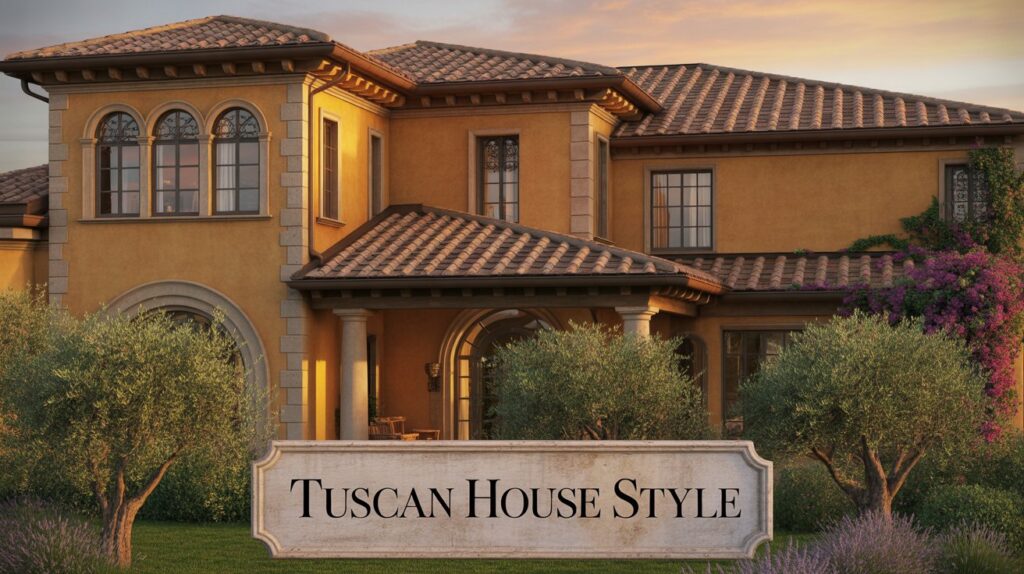
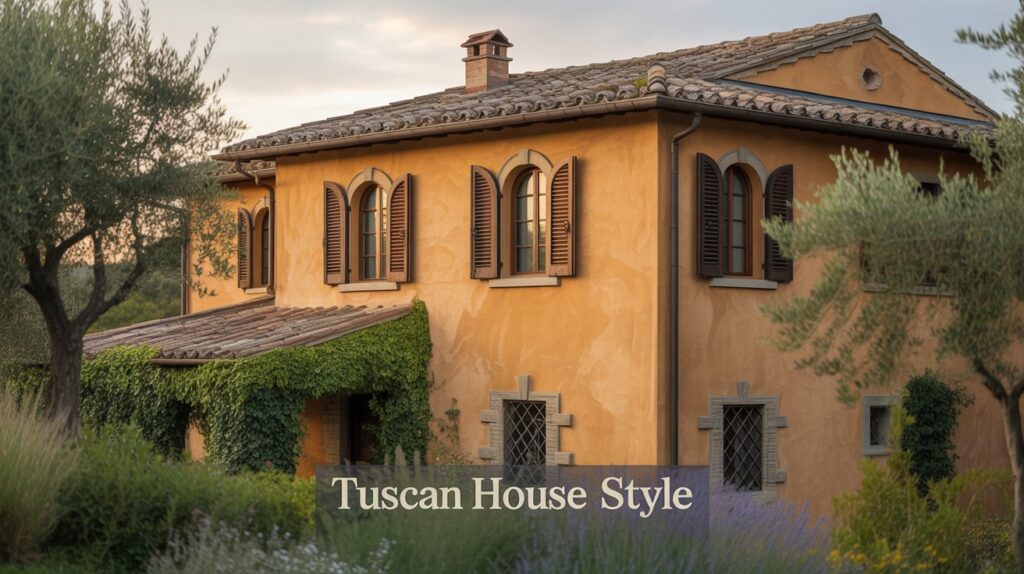
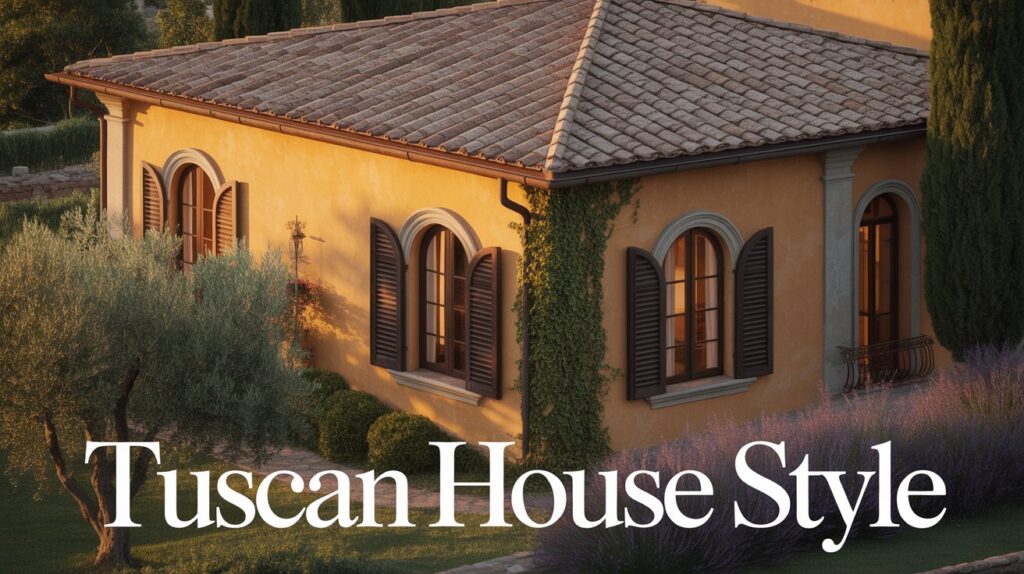
A 2000s tuscan house is instantly recognizable due to its distinctive architectural features. These homes draw heavily from traditional Italian villas, but they are adapted to suit modern construction methods and living standards.
Key architectural elements include:
- Stucco exteriors with warm earth tones
- Low-pitched tile roofs, often in terracotta shades
- Arched windows and doorways
- Wrought iron accents on balconies and railings
- Symmetrical or semi-symmetrical facades
These elements combine to create a structure that feels both grand and inviting, a hallmark of the 2000s tuscan house aesthetic.
Interior Design Philosophy and Atmosphere
Inside a 2000s tuscan house, the focus shifts to warmth, texture, and comfort. Interiors are designed to evoke the feeling of a countryside retreat while maintaining the functionality required for modern living.
Common interior characteristics include:
- Warm color palettes featuring beige, gold, and deep browns
- Textured walls with faux finishes or plaster effects
- Exposed wooden beams for rustic appeal
- Stone or tile flooring for durability and style
- Large kitchens designed as central gathering spaces
The interior of a 2000s tuscan house emphasizes hospitality and relaxation, making it ideal for families and social gatherings.
Materials and Craftsmanship That Define the Style
The authenticity of a 2000s tuscan house lies in its materials. Builders in the early 2000s prioritized finishes that mimicked traditional European craftsmanship.
Popular materials included:
- Natural stone for walls and fireplaces
- Travertine tiles for flooring
- Dark hardwood for cabinetry and furniture
- Iron fixtures for lighting and decor
While some of these materials were authentic, others were modern interpretations designed to achieve a similar visual effect at a lower cost.
Why the 2000s Tuscan House Became So Popular
Several factors contributed to the widespread appeal of the 2000s tuscan house. It arrived at a time when homeowners were seeking both luxury and comfort, and this style delivered on both fronts.
The popularity was driven by:
- The desire for European-inspired elegance
- The rise of large suburban homes
- Increased interest in open floor plans
- The appeal of warm and inviting interiors
The 2000s tuscan house became synonymous with upscale living during this period.
Functional Layouts and Living Experience
Beyond aesthetics, the 2000s tuscan house was designed with functionality in mind. These homes often featured spacious layouts that catered to modern lifestyles.
Typical layout features included:
- Open-concept living and dining areas
- Large kitchens with islands
- Multiple bedrooms and bathrooms
- Outdoor living spaces such as patios or courtyards
This combination of beauty and practicality made the 2000s tuscan house highly desirable.
Common Criticism and Design Challenges
Despite its popularity, the 2000s tuscan house has faced criticism over time. As design trends evolved, some aspects of this style began to feel outdated.
Common critiques include:
- Overuse of dark colors making spaces feel heavy
- Excessive ornamentation in some designs
- Lack of alignment with modern minimalist trends
- High maintenance for certain materials
These challenges have led many homeowners to update or reinterpret their 2000s tuscan house interiors.
Modern Revival and Redesign Trends
In recent years, there has been a renewed interest in the 2000s tuscan house, but with a modern twist. Designers are now blending traditional elements with contemporary aesthetics to create a more balanced look.
Modern updates often include:
- Lighter color palettes while maintaining warmth
- Simplified architectural details
- Integration of modern lighting and fixtures
- Open spaces with minimal clutter
This evolution ensures that the 2000s tuscan house remains relevant in today’s design landscape.
The Emotional Appeal of Tuscan-Inspired Living
One of the most enduring aspects of the 2000s tuscan house is its emotional appeal. These homes are designed to evoke a sense of comfort, tradition, and connection.
They create an environment that feels:
- Warm and welcoming
- Timeless rather than trendy
- Grounded in natural elements
- Perfect for relaxation and social interaction
This emotional connection is a key reason why many homeowners continue to appreciate the style.
Future Outlook of the 2000s Tuscan House Style
The future of the 2000s tuscan house lies in adaptation. While pure traditional designs may become less common, the core elements of the style will continue to influence architecture and interior design.
Future trends may include:
- Sustainable materials inspired by traditional textures
- Hybrid designs combining Tuscan and modern styles
- Smart home integration within classic structures
- Greater emphasis on natural light and open space
These developments will ensure that the 2000s tuscan house continues to evolve rather than fade away.
Expert Insight on Architectural Longevity
The 2000s tuscan house represents more than a design trend; it is an example of how cultural inspiration can shape modern living. Its ability to adapt over time demonstrates the strength of its foundational principles.
Architectural styles that balance beauty, functionality, and emotional appeal tend to endure, and the 2000s tuscan house fits this category.
Frequently Asked Questions
What is a 2000s tuscan house?
A 2000s tuscan house is a Mediterranean-inspired home style popular in the early 2000s featuring stucco walls, tile roofs, and warm interiors.
Why were 2000s tuscan houses so popular?
They combined luxury, comfort, and European-inspired design, making them highly desirable during that era.
Are 2000s tuscan houses outdated?
Some elements may feel dated, but many can be updated with modern design techniques.
What colors are used in a 2000s tuscan house?
Warm tones like beige, gold, brown, and terracotta are commonly used.
Can a 2000s tuscan house be modernized?
Yes, many homeowners update them with lighter colors and modern fixtures while keeping the core style.
What materials define a 2000s tuscan house?
Stucco, stone, wood, and wrought iron are key materials.
Are 2000s tuscan houses expensive to maintain?
Some materials require maintenance, but updates can reduce long-term costs.
Is the 2000s tuscan house style coming back?
Yes, it is being reimagined with modern elements and gaining renewed interest.
Additional Insight Paragraphs
The resurgence of interest in the 2000s tuscan house reflects a broader shift in design preferences. People are moving away from overly minimalistic spaces and seeking warmth, texture, and character in their homes. This shift aligns perfectly with the essence of Tuscan-inspired design.
At the same time, the integration of modern technology and sustainable practices is redefining how these homes function. The 2000s tuscan house is no longer just about aesthetics; it is becoming a blend of tradition and innovation.
Disclaimer
This article is for informational purposes only and reflects general architectural trends and insights related to the 2000s tuscan house.